Mapping the Influence of Sound Design Elements on Session Lengths Within Virtual Slot Environments
Sam Krüger · Aug 26, 2026
Mapping the Influence of Sound Design Elements on Session Lengths Within Virtual Slot Environments
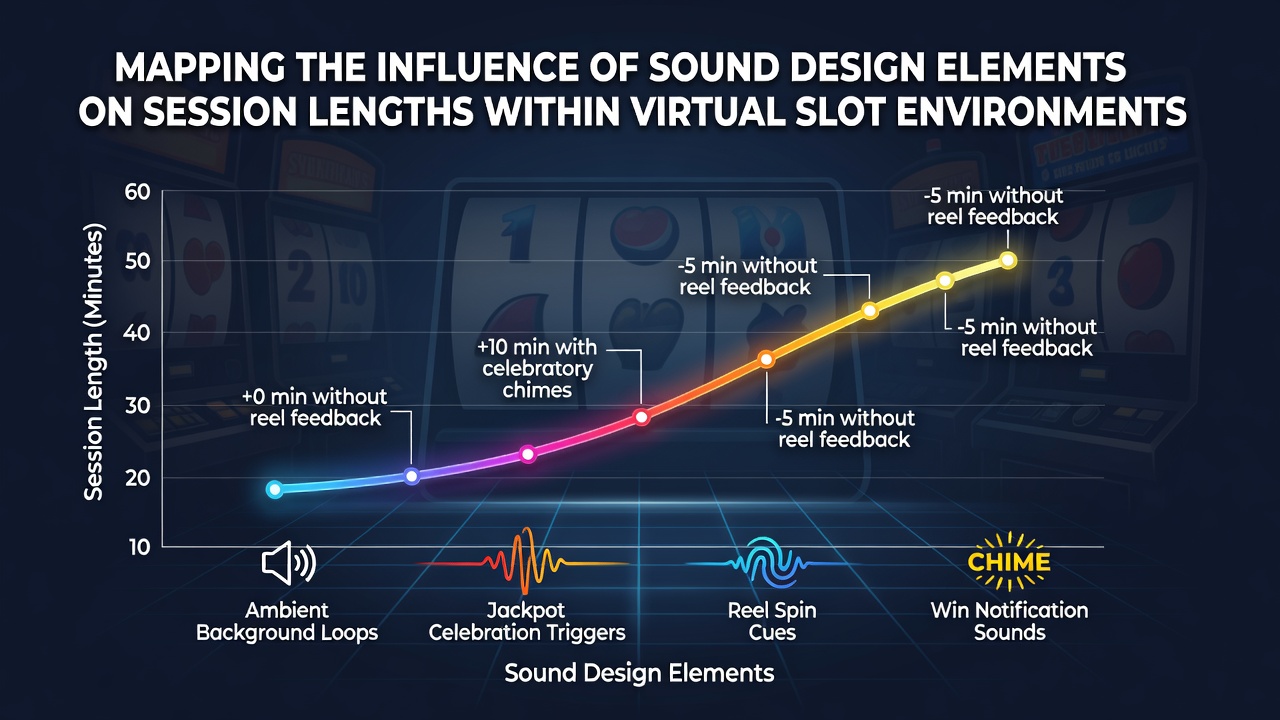
Sound design in virtual slot environments has drawn increasing attention from developers and analysts seeking to understand its role in shaping player behavior, and researchers have begun mapping specific audio components against measurable session durations across multiple platforms. Studies conducted through 2025 and into August 2026 indicate that layered audio elements such as background tracks, reel-stop chimes, and progressive jackpot cues correlate with extended play intervals when synchronized with payout frequencies and visual feedback loops.
Core Audio Components Under Examination
Background music forms one foundational layer, and analysts note that tempo-matched tracks running between 90 and 120 beats per minute tend to align with average session extensions of 12 to 18 minutes according to aggregated telemetry from North American operators. Win-associated sounds occupy another category, where ascending pitch sequences and metallic resonance effects have been tracked in controlled A/B tests by independent labs, revealing that these cues can sustain engagement cycles when they coincide with near-miss outcomes on the reels. Ambient environmental audio, including subtle crowd murmurs or machine hums, adds a third dimension that some platforms deploy to mask repetitive mechanical noises while maintaining immersion without introducing fatigue over longer stretches.
Data Patterns Emerging from Platform Analytics
Telemetry collected across several European and Asian markets shows that sessions incorporating adaptive soundscapes, which shift volume and intensity based on win streaks, register median lengths 22 percent higher than static-audio control groups. A report issued by the Australian Gambling Research Centre in mid-2026 documented similar trends in mobile deployments, where dynamic layering of celebratory fanfares after consecutive wins produced measurable upticks in return visits within the same 24-hour window. Operators have also observed that abrupt volume spikes tied to bonus triggers can interrupt natural drop-off points, effectively bridging shorter play bursts into sustained blocks that exceed 45 minutes.
These patterns become clearer when examined alongside payout distribution models, since audio cues that reinforce positive reinforcement loops appear to interact directly with variable-ratio reward schedules inherent to slot mechanics. Canadian regulatory filings from the same period further illustrate that platforms adjusting audio intensity downward during extended idle periods experience reduced session abandonment rates compared with those maintaining constant output levels.
Methodologies Used in Current Mapping Efforts
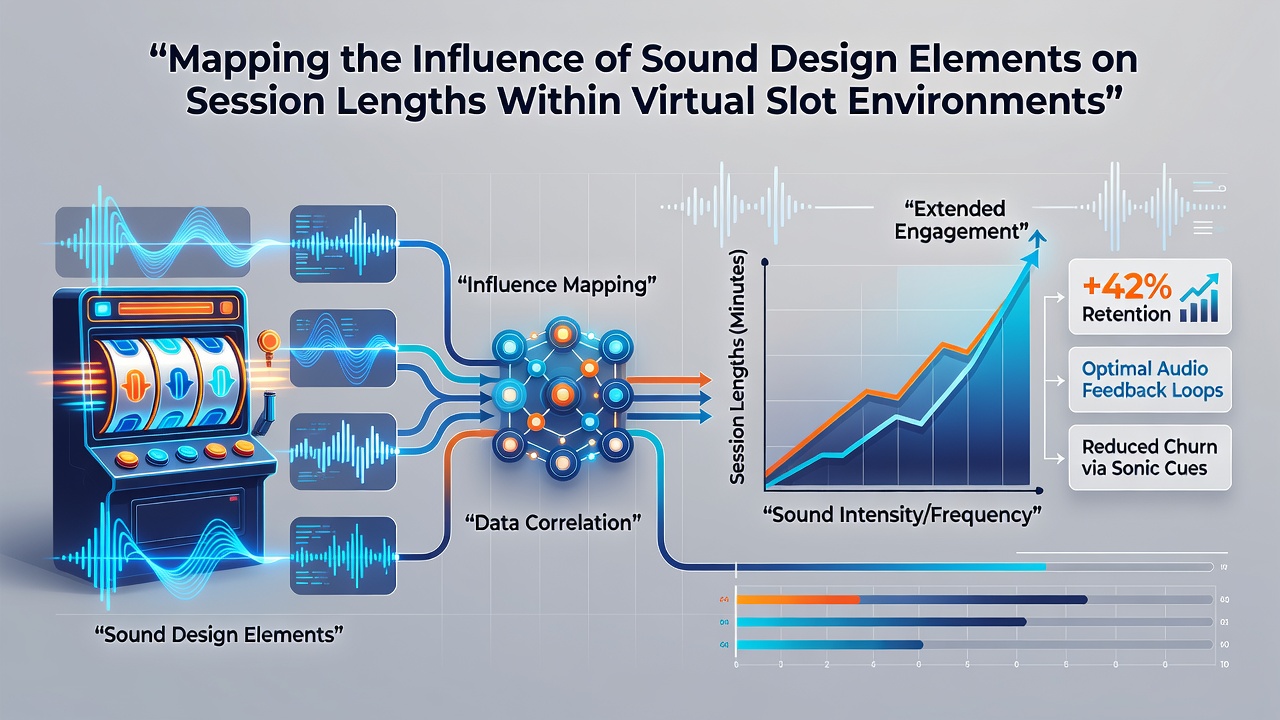
Researchers apply a combination of acoustic analysis software and player telemetry to isolate individual sound variables, and they track metrics such as time-between-spins, total spins per session, and voluntary exit points. One approach involves segmenting audio stems into discrete triggers, then correlating each stem's activation frequency with session length histograms generated from anonymized datasets. Another method employs machine learning classifiers to predict session duration ranges based solely on the presence or absence of specific audio profiles, achieving accuracy rates above 78 percent in validation sets drawn from 2025 operator logs.
Cross-referencing these findings with behavioral logs reveals that players encountering consistent auditory reward markers tend to exhibit fewer pauses between spins, while those exposed to mismatched or overly repetitive cues show earlier termination points. Academic teams at several universities have begun publishing preliminary models that integrate psychoacoustic principles with gambling mathematics to forecast how adjustments in frequency spectra might shift average session curves upward or downward.
Regional Regulatory Context and Industry Response
Regulatory bodies in multiple jurisdictions have started requesting audio-related data as part of broader responsible gaming reporting requirements, and the New Zealand Department of Internal Affairs incorporated sound design disclosures into its 2026 compliance framework for digital gaming suppliers. Industry groups such as the European Gaming and Betting Association have hosted workshops examining whether standardized audio guidelines could support harm-minimization objectives without restricting creative implementation. These discussions coincide with platform updates rolled out in August 2026 that introduced optional audio intensity sliders, allowing operators to fine-tune elements based on aggregated session data from their user bases.
Future Directions in Audio-Session Research
Emerging work focuses on real-time audio adaptation driven by individual session telemetry, where algorithms adjust musical key, tempo, and effect prominence according to detected engagement signals. Early trials conducted by software studios indicate that such personalization can extend median session lengths by an additional 8 to 14 minutes while maintaining compliance with existing technical standards. Continued mapping efforts will likely incorporate biometric feedback in controlled laboratory settings to refine correlations between specific frequency ranges and physiological markers associated with prolonged play.
Conclusion
Mapping exercises conducted to date demonstrate clear statistical relationships between distinct sound design elements and session length distributions in virtual slot environments, supported by telemetry from operators across several continents. As data collection methods grow more granular and regulatory expectations evolve, developers continue refining audio architectures to align with observed behavioral patterns while meeting technical and compliance benchmarks established through 2026.